Posted by Katarina Fajfar
on September 05, 2025
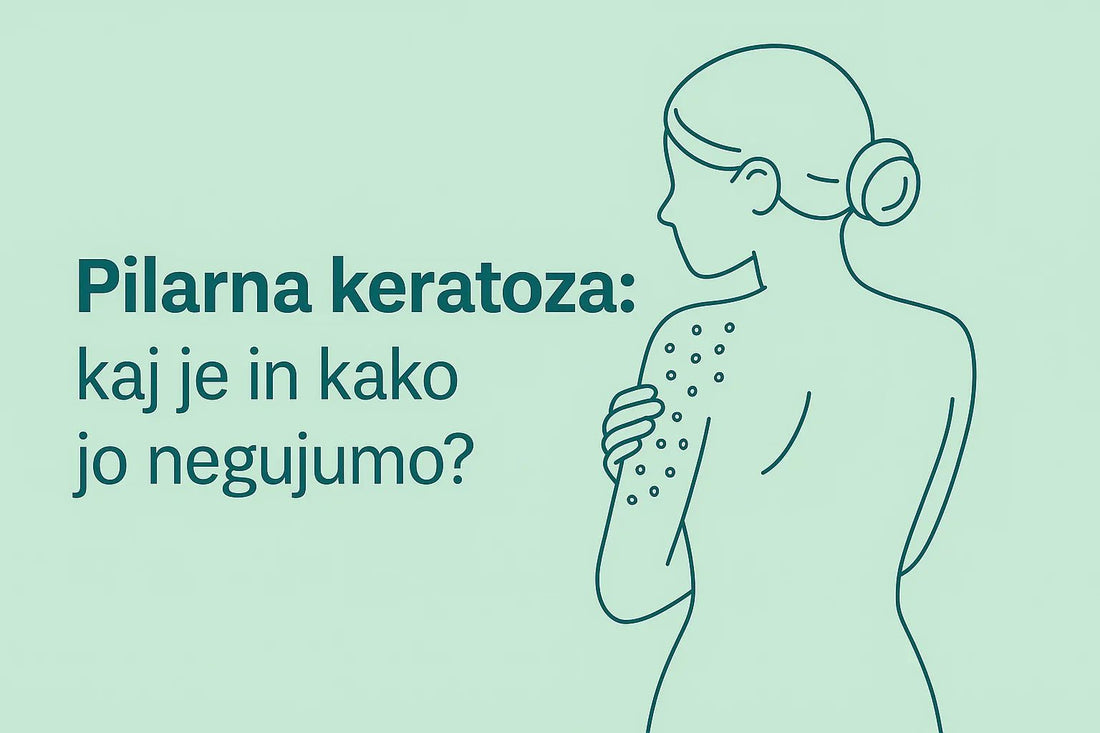
In this article: you will understand what keratosis pilaris is, why it occurs, how to recognize it, and how to take simple care for smoother skin. Click on the chapter that interests you.
Table of contents: Keratosis pilaris
- Introduction
- What is keratosis pilaris and why does it occur?
- How do you recognize her?
- Occurs in children or adults
- Why does the condition get worse in winter?
- Keratosis pilaris care, a gentle routine for smooth skin
- Simple care routine, summarized in a table
- Frequently Asked Questions (FAQ)
- SkinFairytale vs. competition
- Final thought
Introduction
Keratosis pilaris , also known as “horny skin,” appears as small, rough bumps on the skin. It is an extremely common skin condition that affects around 42% of the world’s population . If you have noticed tiny spots on your child’s upper arms, thighs, or cheeks, don’t despair, keratosis pilaris is not harmful to your health. In this article, we will guide you through understanding this condition and show you how to take simple care for smoother skin . We will answer your questions in a warm, empathetic, and professional manner, soothe your feelings of helplessness, and provide you with gentle solutions tailored to sensitive skin. In the end, you will understand what helps with keratosis pilaris and how SkinFairytale can become your first choice for caring for demanding skin in Slovenia.
What is keratosis pilaris and why does it occur?
Keratosis pilaris is a common, harmless dermatosis that appears as small, rough bumps that resemble corns or pimples. They are caused by an excessive accumulation of the protein keratin in the hair follicles, the keratin clogs the follicle outlet and feels like a rough lump on the skin. It is not an infection or allergy , but a genetically determined condition (other family members often have it too). The exact cause is not completely understood, but dermatologists believe that it is a disorder in the process of skin keratinization and hair growth. Keratosis pilaris is more common in people with dry skin and often accompanies other conditions, such as atopic dermatitis , which is why half of people with atopic dermatitis also notice signs of keratosis pilaris. It is important to know that keratosis pilaris is not contagious and does not cause pain.

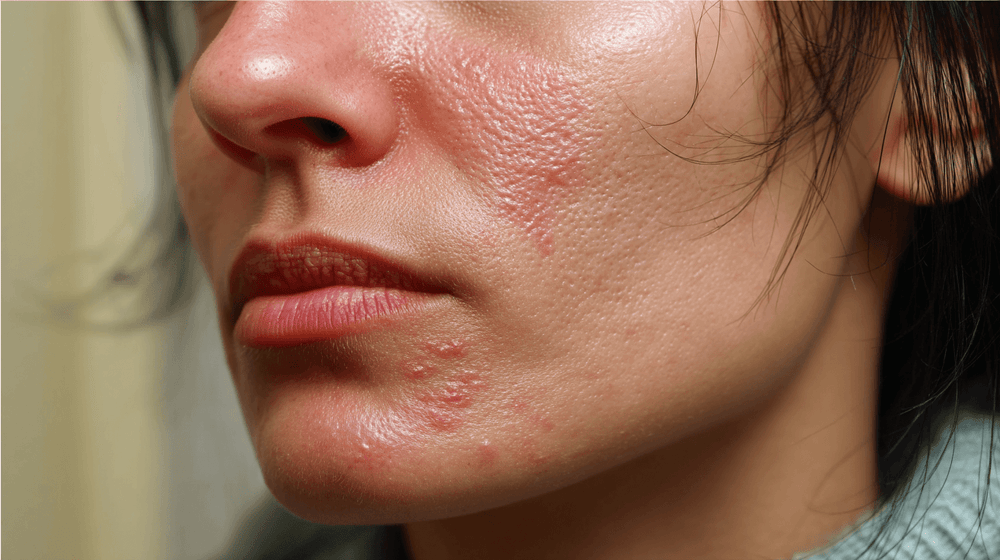
You can recognize keratosis pilaris by the characteristic appearance of the skin . The skin is rough, as if you could feel a fine scraper under your fingers. The small bumps (papules) can be skin-colored or reddish. On the upper arms and thighs, they look like rough spots , and on the cheeks (especially in children) they can resemble tiny red pimples. The skin may be slightly itchy and irritated due to dryness, but it usually does not hurt . Due to tiny inflammations in the follicles, the bumps may be red and slightly swollen, but there is no purulent content. Many people do not notice keratosis pilaris right away, and dermatologists often discover it by chance during an examination, since there are usually no previous symptoms (such as pain or pronounced inflammation). Importantly, if the bumps become very inflamed (e.g. due to scratching) or spread, it is recommended to consult a dermatologist, although in most cases a visit to a specialist is not necessary.
Does keratosis pilaris occur in children or adults?
Keratosis pilaris can occur at any age. It typically begins in childhood, and it is estimated that around 40% of children have a mild form of keratosis pilaris, and up to 50% of adolescents during puberty. Many cases improve with age or even disappear in adulthood. In some individuals, however, it can persist into adulthood, with periods of improvement in the summer and worsening in the winter. The condition is chronic , which means that there is no permanent “cure” , but don’t let that discourage you, because with proper care, the appearance of the skin can significantly improve and the unpleasant roughness can be reduced. We will discuss how to persistently and gently care for the skin to make it as smooth as possible below.
Why does the condition worsen in winter?
You may have noticed that your skin is rougher in the winter than in the summer. Cold weather and dry air in the winter months can make keratosis pilaris worse. Low temperatures outside and dry air in heated rooms dry out the skin, and dry skin accentuates the roughness and itching. Friction from clothing (woolen sweaters, tight sleeves) also irritates the bumps in the winter. In the summer, however, we usually notice an improvement, higher humidity and moderate sun exposure have a beneficial effect on the skin, and the bumps may reduce. Of course, this does not mean that there are no problems in the summer, but it does mean that in the winter, especially thorough care with moisturizing and protecting the skin is needed to alleviate dryness and irritation. In the next chapter, we will look at how you can keep your skin as smooth as possible throughout the year with the right daily routine.
Keratosis pilaris care, a gentle routine for smooth skin
Although keratosis pilaris cannot be “cured” with one miracle treatment, regular and proper care can greatly improve the appearance and feel of your skin. The key is persistence and gentleness, a combination of regular exfoliation (removal of dead skin cells) and intensive moisturizing and skin protection. Below is a mini guide that takes you step by step through the ideal keratosis pilaris care routine:
-
Gentle skin cleansing, daily: Use a mild cleanser without harsh soaps (sulfates) and fragrances that doesn't dry out your skin too much. Avoid soaking in hot water for long periods of time, instead treat your skin to short warm showers . After showering, don't rub your skin with a towel, but pat it lightly to retain some moisture. (Hint: SkinFairytale Shower Gel from the body care collection is an example of a gentle cleanser that doesn't leave your skin feeling tight after use.)
-
Regular exfoliation, 1 to 2 times a week: To remove dead cells and soften the cells, use a chemical peel instead of coarse peeling gels with grains. Dermatologists recommend peelings with AHA (lactic or glycolic acid) or BHA (salicylic acid) for keratosis pilaris, which dissolve dead cells and keratin in the pores, gradually smoothing the skin. Avoid mechanical peelings with coarse particles , as rough rubbing of the skin can even worsen the condition. Always moisturize the skin thoroughly after peeling. Note, we do not perform peelings on younger children, and for babies and toddlers up to about 2 years of age, just moisturizing with oily ointments is sufficient, as their skin is hypersensitive to acids.
-
Intensive moisturizing and softening, daily: Moisturizing is the most important part of keratosis pilaris care . Every day, preferably immediately after showering , apply a rich moisturizing cream or lotion that retains moisture in the skin and also contains mild keratolytic ingredients. Many people find products with urea and lactic acid to be excellent, which moisturize the skin and at the same time slightly exfoliate the stratum corneum, making the skin smoother to the touch. At SkinFairytale, we are developing a lotion for keratosis pilaris specifically for this purpose, coming soon , a gentle lotion containing urea that will help soften roughness and moisturize dry areas. Urea is usually well tolerated by the skin and does not cause worsening of keratosis pilaris ; on the contrary, in the right concentration it improves the hydration and appearance of the skin . Only at very high concentrations or on damaged skin can urea sometimes cause temporary tingling or redness, so choose formulations with moderate proportions, such as 5 to 10%. Lower concentrations of urea, 2 to 5%, are also safe for children over 2 years of age. Don't skimp on moisturizing, dry skin will cause bumps, so keep it well moisturized at all times.
-
Additional skin protection, if needed: If your skin is very dry or you are staying in windy, cold weather, give it extra lipid protection. After applying moisturizer, you can lock in moisture by using a nourishing balm. SkinFairytale Protect Balm is designed to protect the skin from moisture loss, creating a gentle protective layer that prevents skin from cracking and protects it from the cold. Apply it as the last step of your care, especially on the driest, roughest areas or before going out in the cold.
-
Choose the right clothes: Since mechanical friction worsens redness and roughness, choose soft, breathable clothing that allows your skin to breathe. Cotton and smooth fabrics are better choices than rough wool or synthetics, which can be scratchy. In winter, several layers of thin, soft clothing help reduce friction and regulate heat so you don't sweat too much.
-
Persistence and patience: Keratosis pilaris treatment results don't come overnight , so stay consistent. How quickly do you see results with keratosis pilaris ? You can see the first changes, better hydration, a softer feel of the skin, within a few weeks. For most people , visible improvement occurs within 4 to 6 weeks of regular care. After two to three months of a consistent routine, the skin texture is often noticeably smoother. It is important to continue with the care, as the condition can return to its original state if you stop. Treat keratosis pilaris as a marathon, not a sprint, with gentle steps every day you will win in the long run.
-
When to see a dermatologist: In the vast majority of cases, you can successfully manage keratosis pilaris at home. However, if you notice severe inflammation (bulges that hurt, pus) or if the condition is significantly affecting your well-being, see a dermatologist. They may prescribe mild corticosteroid creams or other agents to calm the inflammation for a short time. In very persistent cases in adults, retinoid creams are sometimes used, but this is done under professional supervision. For most people, it is believed that they will not need a dermatologist , as proper home care is sufficient .

Simple care routine, summarized in a table
For easier orientation, we have prepared a brief summary of the keratosis pilaris care routine in the form of a checklist:
| Care step | What does this mean? |
|---|---|
| 1. Cleaning (every day) | Shower gently with warm, not hot, water. Use mild, sulfate-free, fragrance-free gels. Pat your skin dry after showering, don't rub. |
| 2. Exfoliation (1 to 2 times a week) | Chemical peels with AHA or BHA to remove dead skin cells and soften bumps. Avoid harsh mechanical peels. |
| 3. Moisturizing (every day) | Within 5 minutes of showering, apply a cream or lotion with moisturizers, glycerin, ceramides, and keratolytics, urea, lactic acid. This hydrates the skin and softens the wrinkles. |
| 4. Protection (if necessary) | Apply a protective layer of ointment to the driest areas and before the cold, which retains moisture and protects the skin from drying out and wind. |
| 5. Maintenance (ongoing) | Insist on regular care. Do not scratch the bumps. Wear soft clothing. Use a humidifier in the room in the winter. Improvement is gradual, but achievable with discipline. |
This routine works as a simple treatment for smoother skin . By gently removing dead skin cells and consistently moisturizing, your skin will feel softer and more supple, and calluses will be less noticeable.
Frequently Asked Questions (FAQ)
What helps with keratosis pilaris? The most helpful are regular and proper skin care , gentle cleansing without soaps, regular use of chemical peels, lactic acid, salicylic acid, and daily moisturizing with products containing urea or AHA . Urea and acids help remove excess keratin from pores and soften the skin, so that roughness is reduced. It is also important to maintain the skin barrier , use nourishing creams with lipids, ceramides, which prevent drying out. Sometimes a dermatologist may prescribe vitamin A cream, a retinoid, or in case of severe inflammation, a short course of a mild corticosteroid, but for most people this is not necessary. Moderate sunbathing with adequate UV protection can temporarily improve the appearance of the skin, and humidifiers in the apartment during the heating season also help. The key is not to expect a miracle overnight, but to persistently care for the skin.
Can urea worsen keratosis pilaris? Generally speaking, no , urea is even recommended for treating keratosis pilaris, as it acts as a moisturizer and keratolytic. Creams with 10% urea are safe and effective for most people with this condition. Too high a percentage of urea, 30 to 40%, or applying to irritated, damaged skin can cause temporary redness or a burning sensation , which is a sign that the formulation is too strong. Start with 5 to 10% urea and monitor your skin's response.
Is keratosis pilaris a permanent condition? Keratosis pilaris is a chronic skin condition , meaning it can last for years or decades . Many people first notice it during childhood or puberty, and it often improves with age . There is currently no permanent cure , and even if the condition improves, it can get worse if you stop taking care of it. With consistent care, you can keep your skin smooth most of the time.
How quickly do you see results with keratosis pilaris? It depends on the consistency and response of your skin. First improvements after 2 to 4 weeks , noticeably smoother skin usually in 4 to 6 weeks , and major changes in 2 to 3 months of persistence.
SkinFairytale vs. competition, why choose a local solution?
There are several well-known dermocosmetic brands on the market that offer corn products that are often recommended by dermatologists for keratosis, as they effectively moisturize and soften the skin. These products are the result of large pharmaceutical companies and are effective when used regularly.
So what makes SkinFairytale different?
SkinFairytale is a Slovenian company that was born from a personal story and the need for gentle but effective solutions for sensitive and problematic skin . When formulating our products, we combine the power of nature and scientific findings , selecting ingredients with your skin in mind and combining them with proven active ingredients, such as urea, hyaluronic acid, panthenol, ceramides, for maximum effect without irritation.
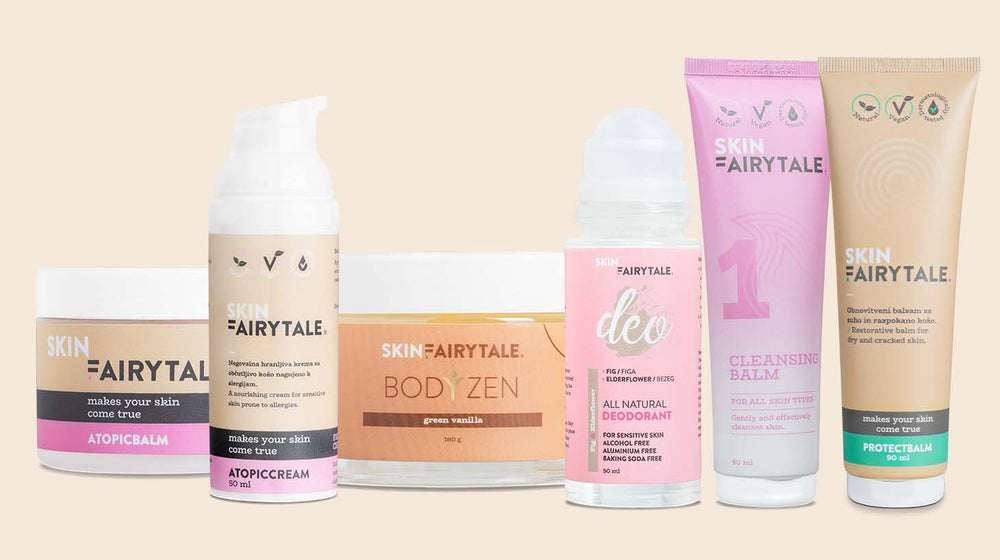
Why can you trust us with your keratosis pilaris care? Our products are dermatologically tested on sensitive skin, free of added fragrances, alcohol and other common irritants. We have developed lines such as Atopic Balm and Atopic Lotion and Protect Balm . Atopic Cream and Atopic Lotion have helped many people soothe dry, red skin, and contain anti-inflammatory ingredients and moisturizers that are also beneficial for keratosis pilaris. We are also preparing a keratosis pilaris lotion that will target rough skin with an optimal concentration of urea. As a small local team, we can be closer to our users , understand their experiences with sensitive skin and help them create a routine.
Last but not least, by choosing local cosmetics you support local knowledge and production . Our products are made in Slovenia, which means a shorter journey from the laboratory to your bathroom and continuous improvement of formulas based on community feedback. We are the first choice of many Slovenians with sensitive and demanding skin, because we understand that warmth and empathy are just as important as knowledge and active ingredients.
Final thought
Bottom line: Keratosis pilaris can be annoying, but you don't have to put up with the feeling of rough skin. By understanding the causes and taking proper care of it, you can smooth out your skin and regain your confidence , and SkinFairytale is happy to help you. Remember, you are far from alone in your story with sensitive skin, almost half of the world is fighting a similar battle. The key is to arm yourself with knowledge and the right, gentle products. We hope this guide has helped you understand how to tame calluses in a friendly way. For even more useful tips, check out our blog or other articles where we share professional, yet warm, first-hand advice. Your skin deserves the best, and we are here to offer it in a natural, supportive and empathetic way. 💚