Posted by Andraz Radovan
on September 09, 2025
In this guide, you’ll learn why the scalp is the foundation of beautiful hair, how to recognize signs of imbalance, and how a simple routine (cleansing, moisturizing, massage, and oiling) can help you care for a healthy scalp and achieve faster growth, greater density, and shinier hair.
Healthy, beautiful hair starts with a healthy scalp. If we want strong, thick, shiny hair, we first need to care for the skin beneath it. In this guide, you’ll learn why scalp care is essential and how to improve scalp health with the right routine—from proper washing to rosemary oil massage—and achieve more beautiful hair as a result.
We often focus mainly on the lengths and ends when caring for our hair, but the scalp is the true starting point for beautiful hair. The scalp is living skin dotted with hair follicles, from which our hair grows. Just like the skin on your face, your scalp can be dry, oily, sensitive, or irritated. If something is out of balance there—for example, if the skin is dry, irritated, or covered with excess buildup—it quickly shows in your hair, too. Hair growth slows down, and hair becomes thinner, brittle, lifeless, or even falls out excessively. A healthy scalp, on the other hand, creates better conditions for strong, resilient hair. So let’s take care of the foundation first: when the scalp is clean, balanced, and nourished, hair will grow faster and look better, too.
Why is the scalp essential for healthy hair?
Think of the scalp as the soil in which a plant grows—in our case, hair. If the “soil” is poor, the hair won’t thrive, even if we only care for the leaves (the hair lengths). The scalp contains thousands of hair follicles, where hair growth processes take place every day. Each follicle needs proper nourishment: enough nutrients and oxygen from the blood, and a clean environment free of excess buildup. When the scalp is healthy:
- sebum production is regulated (natural oils), so the skin is neither too dry nor too oily,
- hair follicles are unobstructed, allowing hair to grow from them without hindrance,
- microcirculation works optimally, meaning the blood carries enough oxygen and nutrients to the hair roots.
All of this creates ideal conditions for faster hair growth, greater density, and a more beautiful-looking hairstyle. It’s no surprise that experts warn that hair problems such as dandruff, damage, or excessive breakage often start at the scalp. So, if we want healthy hair, we also need to care for the skin it grows from: our scalp.
On the other hand, an unbalanced scalp can quickly lead to problems. Clogged hair follicles (due to a buildup of sebum, sweat, product residue, or dandruff) literally suffocate the hair roots. As a result, hair grows thinner and weaker, may fall out prematurely, or stop growing altogether. The same applies if the scalp is chronically dry and irritated: inflammatory processes can interfere with normal hair growth. In short, healthy hair can only thrive on a healthy scalp. This is the main reason we should give scalp care at least as much attention as the care of the hair itself, if not more.
Signs of an unhealthy scalp (and how to recognize them)
How can we tell when our scalp needs help? Here are some of the most common signs that something isn’t quite right with your scalp:
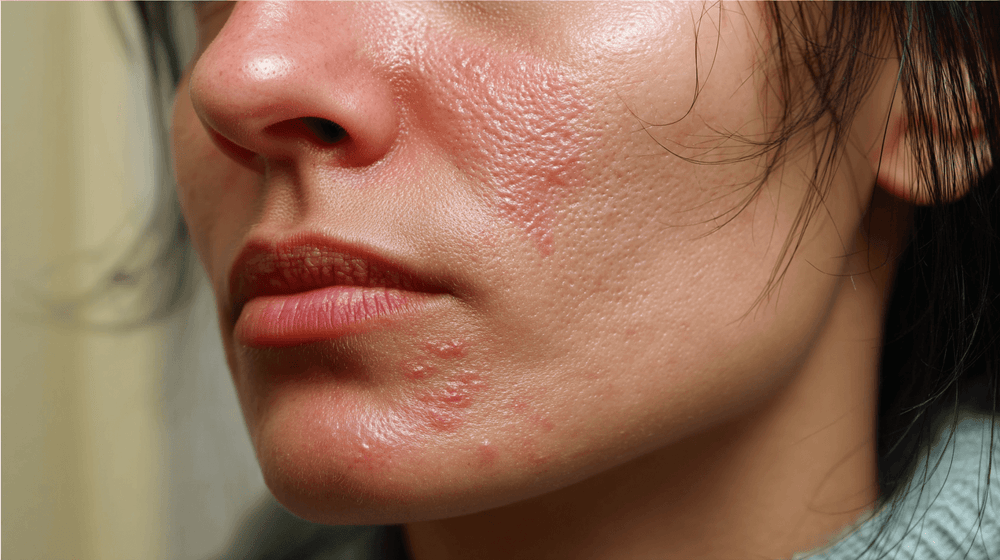
- Itching and redness: If your scalp often itches or burns, or you notice red, irritated patches, this is a sign of inflammation or skin irritation. It can be caused by an overly dry scalp, residue from harsh products, or even an allergic reaction. An itchy scalp often makes you scratch, which makes the condition worse and can lead to small sores and further inflammation.
- Dandruff or flaking: White or yellowish flakes falling from your hair are a classic sign of dandruff or a flaky scalp. They may be dry, fine flakes (dry scalp) or larger, oily flakes (seborrheic dandruff). Dandruff indicates that the scalp is out of balance, possibly due to yeast overgrowth, stress, unsuitable hair care products, or other factors.
- Excessively oily hair: The opposite of dryness is an excessively oily scalp. If your hair gets flat and greasy just a day or two after washing, your sebaceous glands are most likely working overtime. This can be caused by hormonal changes or unsuitable shampoos (overly aggressive removal of oil can trigger a rebound effect), and often by excessively hot water or blow-drying with hot air.
- Slower growth and thinning hair: You’ve noticed that your hair is getting thinner, there’s less of it in your ponytail, and it has lost volume. New hair growth has slowed down. Long-term neglect of the scalp is often to blame. Buildup can suffocate hair follicles, causing them to enter a “resting” phase. Chronic inflammation (e.g., due to seborrhea or psoriasis) can also contribute to faster hair loss.
- A feeling of tightness or pain: Sometimes the scalp literally hurts to the touch or feels tight. This is usually a sign of severe dryness and inflammation of the scalp. It can be caused by, for example, severe sunburn on the scalp or extremely dry, atopic skin.

Do you recognize any of these symptoms in yourself? Don’t worry; with the right at-home care, you can do a lot if you act promptly. Below, we’ll cover the best practices for scalp care and recommend solutions to restore balance. However, if your symptoms are severe (e.g., painful sores, heavy flaking and redness, or noticeable patchy hair loss), it’s a good idea to see a dermatologist for professional advice.
Scalp care: 4 steps to balance and health
The good news is that scalp care doesn’t have to be complicated. The key is consistency and adapting your routine to your scalp’s needs. Here are four basic steps to restore cleanliness, moisture, and health to your scalp, which in turn can also improve the look of your hair.
1. Gentle yet thorough scalp cleansing
The first step to a healthy scalp is washing it properly. Many people wash their hair out of habit without really cleansing their scalp. It’s important to make sure the shampoo reaches the skin while washing and removes impurities. At the same time, the shampoo needs to be gentle enough to preserve the natural balance. Harsh shampoos with sulfates can strip away too many protective oils, leading to dryness or a reactive response from the glands (excess oiliness).
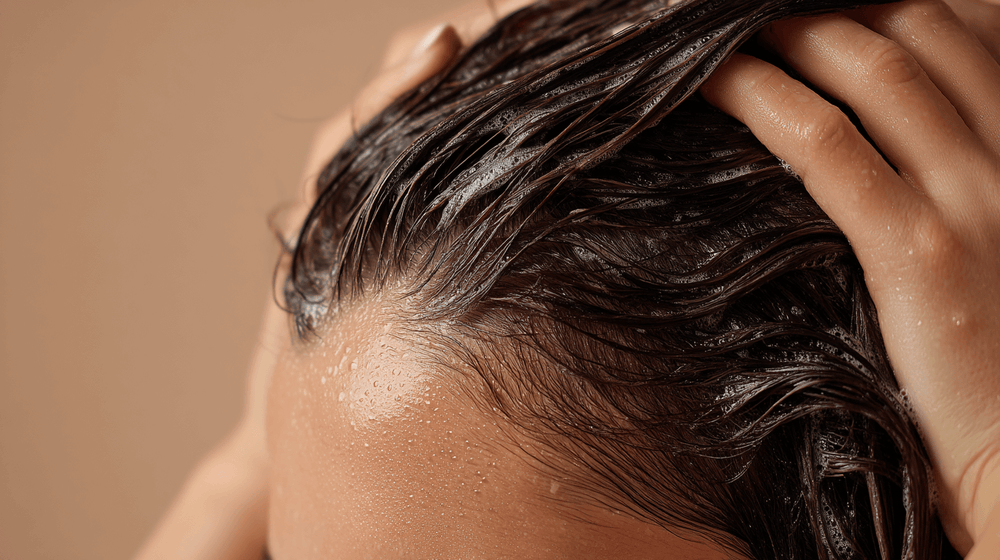
How to wash your scalp properly: First, thoroughly wet your hair with lukewarm (not hot!) water. Apply a small amount of shampoo; if it’s good quality, a hazelnut-sized amount will be enough. Rub it between your palms first, then gently massage your scalp with your fingertips. Don’t scrub too roughly with your nails; instead, focus on circular motions across your entire scalp. As well as cleansing, this will stimulate circulation. Rinse the shampoo out thoroughly so no residue remains on your scalp (it can cause irritation or make your hair get oily faster). Repeat once more if needed. Finish by rinsing with cooler water, which soothes the skin and closes the hair pores.
Choosing the right shampoo: For a sensitive or problem-prone scalp, choose a gentle, pH-neutral shampoo without sulfates or silicones. These unnecessary additives can irritate the skin or clog the scalp. SkinFairytale Shampoo is formulated specifically for gentle cleansing without drying, and is also suitable for those dealing with dermatitis or a scalp that gets irritated easily. It contains mild cleansers and nourishing ingredients that cleanse without disrupting the skin’s natural protective barrier. After washing with a good shampoo, your scalp should feel fresh, without tightness or itching, and your hair should feel light, not weighed down.
2. Removing buildup with an exfoliant or mask
Even with the most thorough washing, buildup can accumulate on the scalp over time and shampoo may not remove it completely. This includes residue from styling products, dead skin cells, sebum and mineral deposits from hard water. These form a film that covers the hair follicles and skin’s surface. The result? The scalp has a harder time breathing, follicles can become clogged, and hair loses volume at the roots.
The solution is occasional deep cleansing. Just as you exfoliate your face, you can exfoliate your scalp. There’s no need to scrub with harsh salt scrubs (they can injure the skin). Instead, choose gentle enzyme or clay masks that bind impurities. SkinFairytale Pre-Wash Mask (a pre-wash scalp mask), for example, is designed for this step. It’s a mask you apply to a dry scalp before washing. It contains clay and natural extracts that absorb excess oil and soften dead skin cells and impurities. After 10-15 minutes, rinse off the mask and wash your hair as usual.
How an exfoliating mask works: After using this kind of mask, your scalp will literally breathe a sigh of relief. Tiny flakes and product buildup are removed, leaving the skin cleaner and more receptive to subsequent care (serums, toners). Your hair will also feel lighter at the roots, as there’s no longer a layer weighing it down against the scalp. If you don’t have a special mask, you can occasionally (e.g. once every 2 weeks) try this trick: before shampooing, massage a mixture of one egg yolk and a tablespoon of honey or yogurt into your scalp. Leave it on for 10 minutes, rinse and wash your hair; natural enzymes will help remove impurities.
It’s important not to exfoliate too often, so you don’t scrub the skin too much. Once a week or every two weeks is enough for most scalp types. Regular, gentle cleansing and occasional deep care will keep your scalp clean and your pores clear for new hair growth.
3. Hydrating and soothing an irritated scalp
Just as your face needs toner and cream, your scalp also needs hydration and soothing. This is especially true if you struggle with a dry, itchy scalp or conditions such as seborrheic dermatitis or atopic dermatitis, where moisturizing is key. Balanced skin hydration eases tightness and itching and strengthens the skin barrier (less inflammation, less dandruff).
How can you do this? After washing your hair (or between washes, on a dry scalp), apply a hydrating serum or toner formulated for the scalp. These products are lightweight and non-greasy, so they won’t make your hair greasy, yet they’re still packed with hydrating ingredients. SkinFairytale Hydro Serum is an example of an intensive hydrating scalp serum developed specifically for concerns like dryness, flaking and an itchy scalp. It’s based on neroli hydrosol (orange blossom), which refreshes and tones the skin. It also contains aloe vera, honey, panthenol and niacinamide, a combination that works like a “glass of water” for a dehydrated scalp. Honey and aloe vera bind moisture and have a mild antimicrobial effect (helpful for dandruff), while panthenol and niacinamide soothe redness and promote skin barrier repair.
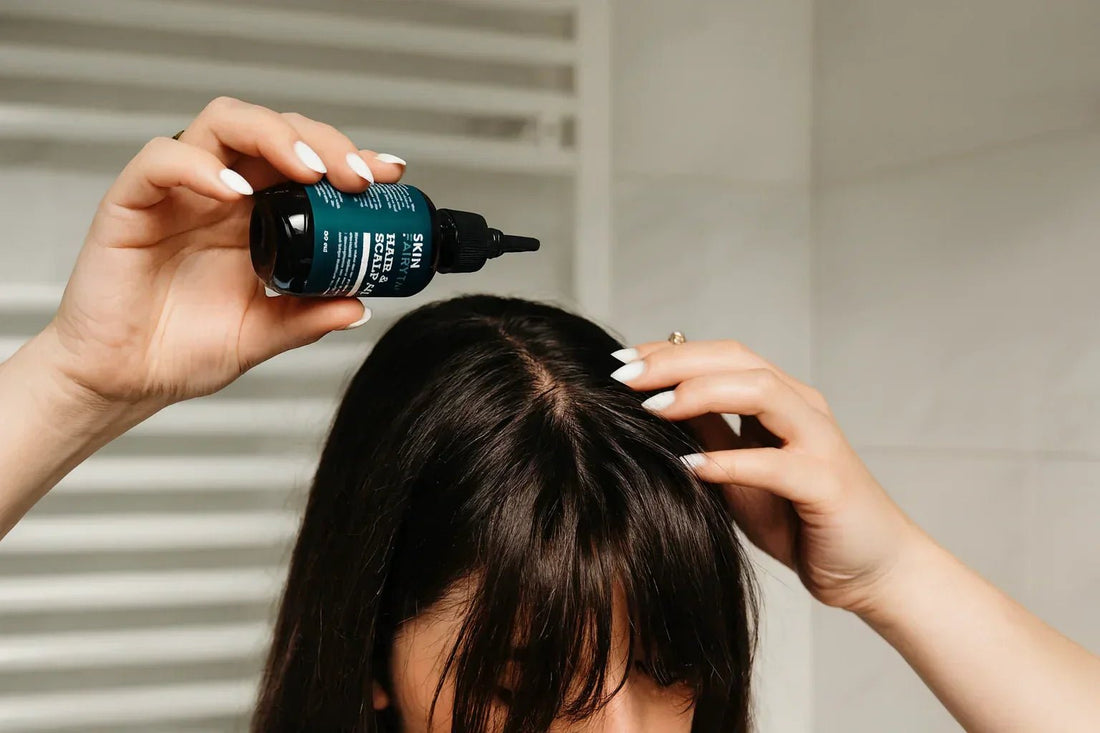
Hydro Serum is very easy to use: after washing your hair, gently towel-dry it, then use the dropper to apply a few drops of serum directly to your scalp, wherever you feel dryness or itchiness. Gently massage it in. There’s no need to rinse it out. It’s extremely lightweight and won’t make your hair greasy, even at the roots, so you can also use it on freshly washed hair without worrying about how it looks. Once dry, your hair will feel light and airy, while your scalp feels soothed and hydrated. If your hair ends are very dry, you can also mix Hydro Serum into your hair mask or conditioner. But you can use it on its own directly on your scalp, as it contains no oils and won’t weigh your hair down.
Regular scalp hydration will quickly show results: no more uncomfortable tightness, less scratching (which only makes things worse) and, consequently, less flaking. Your skin will feel softer and more supple. As well as using serums, make sure to drink enough water, since staying hydrated from within benefits your entire skin, including your scalp. In the winter months, when the air dries out your skin, you can also use a humidifier indoors to prevent dehydration all over your body.
4. Scalp massage to stimulate blood circulation
One of the simplest (and most enjoyable) steps in scalp care is massage. Regular scalp massage does more good than you might think. Using circular motions with your fingers (or a soft massage tool), we stimulate blood circulation in the scalp. This means more blood reaches the hair follicles, bringing more oxygen and nutrients with it. As a result, the hair growth phase may be extended, hair may grow faster, and existing hair is better nourished and stronger. Massage also helps release built-up tension in the scalp; many of us don’t even notice how much we tense the muscles in our head. Once relaxed, lymph microcirculation also improves, the scalp “comes alive” and absorbs nourishing ingredients from serums or oils more effectively.
How do you massage your scalp? Use the pads of your fingers (not your nails!) to make circular motions, applying gentle pressure. Start at the hairline on your forehead and work back toward the crown, then toward the nape of your neck. Don’t forget the sides above your ears. Massage for 3–5 minutes a day, on dry hair or while shampooing in the shower. If you don’t have time every day, take a moment for a thorough massage at least twice a week, perhaps while watching TV or before bed to relax.
For an even better effect, you can use a specialized scalp massager. This is a small handheld tool with soft silicone “bristles.” The SkinFairytale Scalp Massager is designed, for example, to fit comfortably in your palm as you glide it over your scalp. You can use it on dry hair, for example while watching a movie, to get the blood flowing through your scalp. It’s even more effective while washing your hair: as you massage in shampoo or apply a treatment (serum, oil), massage with the tool. This will distribute the product evenly and help you relax at the same time. Many users report that regular use of the massager also helps reduce headaches and feelings of tension.
Tip: Always massage your scalp gently and enjoyably; it shouldn’t hurt. If you have a very oily scalp, it’s better to massage before washing (since stimulation can temporarily increase sebum production). In any case, massage only brings benefits, costs nothing and takes just a few minutes, while the results can be wonderful: improved well-being, relaxation and, in the long term, stronger hair.
Encouraging hair growth and strengthening the roots
Many readers are most interested in this question: “How can I encourage my hair to grow? Are there any products or treatments that really work?” The answer starts with the scalp again. Once you’ve made sure your scalp is clean, moisturized and well-circulated (the previous steps), you’ve already created excellent conditions for hair growth. But sometimes we need an extra boost, especially if we’re dealing with thinning hair or excessive hair loss. That’s when you can reach for specialized serums that target the hair follicles and the growth processes within them.
Active hair growth serums
Modern cosmetology has developed scalp serums containing active ingredients for stimulating growth and preventing excessive hair loss. These serums are not medicines, but cosmetic products with concentrated nutrients and stimulants that “awaken” the follicles. We use them preventively or as a treatment when we notice that we have less and less hair or that it is growing very slowly.
Which active ingredients help hair growth? Some of the best-known include caffeine, rosemary, biotin, niacinamide, amino acids, peptides, and various plant extracts (e.g., pea sprouts, turmeric). Caffeine, for example, has been shown in studies to potentially prolong the anagen (growth) phase of hair and block the effect of the DHT hormone, which causes follicle miniaturization. Biotin (vitamin B7) is essential for producing keratin, the protein that hair is made of, so a biotin deficiency can cause hair to become thinner. Niacinamide improves circulation and skin health. Some patented ingredients, such as AnaGain™ (pea sprout extract) and Capilia Longa™ (curcumin from turmeric cells), have proved extremely effective at promoting new hair growth. These two innovative active ingredients are also included in SkinFairytale Growth Serum, which has generated a lot of excitement.
Growth Serum, science-backed support for new hair: This scalp serum is specially designed for anyone experiencing thinning, slow growth, or increased hair loss. Its formula combines natural extracts with dermatological science. It contains the aforementioned AnaGain™ (pea sprouts) and Capilia Longa™ (turmeric), which work synergistically: pea sprouts stimulate specific signaling molecules in the hair follicle dermal papillae, prompting them to produce new hair, while turmeric has an anti-inflammatory and regenerative effect on the follicle environment. It also contains caffeine, niacinamide, panthenol, and biotin, a real cocktail for lush growth. Caffeine invigorates the scalp, niacinamide (B3) strengthens the skin barrier and reduces microinflammation, panthenol (B5) improves scalp elasticity and hydrates, while biotin (B7) provides follicles with the building blocks for keratin.

The most impressive thing about Growth Serum is the proven results. In an independent clinical study, after 3 months of daily use, hair density increased by +52%, and after 6 months, hair was +80% thicker (measured with a scalp microcamera). Participants also noticed reduced hair loss and the appearance of many new “baby” hairs. It’s important to emphasize that this isn’t an overnight miracle; the serum must be used consistently every day for at least 3 months, ideally for six months or longer, to see the full effect. But these results are achievable without aggressive treatments, simply through regular at-home care, which is incredibly encouraging for many people.
How do you use the growth serum? Growth Serum comes with a dropper for precise application. Every evening (or at least once a day), apply a few drops to problem areas on your scalp, where you notice less hair (e.g., the crown, part, or hairline). Then gently massage it in with your fingers or a scalp massager until the serum is absorbed. Do not rinse it out; leave it on overnight. The serum is non-greasy and dries quickly, so it won’t make your pillow or hair greasy. It’s very convenient that you can also use it alongside other products: for example, if you had an oil treatment that day, you can apply Growth Serum the next morning after washing; or conversely, if you massage in Growth Serum in the evening, you can still use styling mousse the next morning, etc.
Motivation to stick with it: It’s understandable to want quick results, but patience is key when encouraging hair growth. Hair grows slowly (about 1 cm per month), and growth cycles last several months. So you may not notice much new growth in the first few weeks. Stick with it for at least 3 months; most users notice the first real changes by then (fewer hairs on the brush, more little new hairs along the part, and a fuller feeling at the roots). After six months, you should clearly see a difference in density. Keeping a record (take photos of your scalp at the start and after a few months) will make it easier to see your progress. Strengthening your hair is a marathon, not a sprint, but with the right steps and products, such as Growth Serum, the goal is within reach.
Soothing a sensitive, itchy scalp
It’s not uncommon to complain of an itchy, burning scalp that drives us crazy. There are several causes of a sensitive scalp: it may simply be dry (perhaps from frequent use of hair dryers and straighteners, hot water, or dry air); it may be reactive to certain ingredients (e.g., fragrances, alcohol, sulfates in shampoos); or it may be a condition such as seborrheic dermatitis, where the balance of microorganisms on the scalp is disrupted. Whatever is triggering the problem, the goal of care is the same: soothe the skin and restore its barrier.
If your scalp itches after washing or coloring, or the itching occurs with flaking, read what to check when you have an itchy scalp.
Daily routine for a sensitive scalp
-
Gentle cleansing: As already mentioned, swap harsh shampoos for gentle formulas. Choose products with as few fragrances as possible, and without alcohol or harsh detergents. Wash with lukewarm water and never scratch your scalp with your nails while washing; massage it instead. With a sensitive scalp, you may not need to shampoo every day; try washing every 2–3 days to give your skin time to recover in between. If it gets very oily, use a gentle shampoo for frequent use.
-
Avoiding heat: Hot air from a hair dryer or the hot summer sun can make irritation worse. When drying your hair, use a medium or cool setting and hold the dryer at least 20 cm from your head. If possible, let your hair air-dry now and then. Wear a hat or cap in the sun to protect your scalp from sunburn (a common cause of later flaking and pain!).
-
Targeted soothing: Right after washing, when your scalp is at its cleanest, apply a product designed to soothe it. Here, Hydro Serum or a similar product with panthenol, allantoin, bisabolol, oats, etc. is a good option. These ingredients (panthenol and allantoin) are known for their exceptional soothing effects; they reduce redness and itching and speed up the healing of minor skin damage. Hydro Serum contains no essential oils or irritating substances, so it’s safe even if you have a small scratch from scratching. It feels refreshing and cooling after application, and the itching often subsides within a minute or two.
-
Don’t scratch! Easier said than done, we know. But scratching your scalp with your fingernails starts a vicious cycle: it may briefly stimulate circulation, but it also damages the skin’s surface, and bacteria from your nails can get into tiny scratches and cause a new infection or inflammation. If the itching is intense, press your fingertips against the area and move them in circles instead (massage rather than scratch), or cool your scalp for a few minutes with a cold compress (for example, a piece of cloth soaked in cold water). The cold reduces the itching sensation. Menthol in a toner may also help (but make sure it isn’t in an overly harsh alcohol-based lotion).
-
Maintaining the microbiome: Sometimes an itchy, irritated scalp is a sign that the balance of bacteria and yeast on the skin has been disrupted. Probiotic or prebiotic products for the scalp can help, as can a few simple tricks: don’t wash your hair too often (so you don’t remove all the natural bacteria), and after washing, you can rub a little natural apple cider vinegar diluted with water into your scalp (the acids balance pH and inhibit the growth of dandruff-causing fungi). SkinFairytale Hydro Serum contains honey and aloe vera, which have a mild antimicrobial effect, help keep the growth of fungi and bacteria at a healthy level, and thus contribute to a healthier scalp microbiome.
If severe itchiness or dandruff persists for more than a few weeks despite proper care, consult a dermatologist. They may recommend a medicated shampoo or lotion. But in most cases, regular moisturizing and care with gentle products (without irritants) can greatly improve the condition. Once the scalp is soothed and no longer inflamed, you’ll also notice that your hair sheds less and is more resilient, because an irritated, inflamed scalp no longer “rejects” it too quickly.
Scalp oiling - an old tradition for new results
Lately, there has been a lot of talk in the hair care world about “scalp oiling” (also known as scalp oiling). It is actually an old practice that has been used for centuries in India and elsewhere, where women are renowned for their thick, lustrous hair. Now we’re discovering it in the West too, and many people are asking: Does it really work? What are the benefits of applying oil to the scalp?
Scalp oiling means applying a chosen oil or blend of oils directly to the scalp, massaging it in, and leaving it on for a set amount of time (a few hours or overnight) before washing your hair. The aim is to nourish and protect the scalp and indirectly strengthen the hair from the roots. There are many types of oils, but when it comes to hair growth and scalp health, rosemary oil is especially worth mentioning. This aromatic oil from rosemary leaves is a true star among natural hair care remedies. Let’s look at why:
- Improves circulation: Rosemary oil has a mild warming effect on the skin. When massaged in, it dilates the capillaries and increases blood flow to the scalp. S this way, the hair follicles receive more nutrients and oxygen, much like with a massage, but even more intensely. Better scalp circulation = better conditions for hair growth.
- Anti-inflammatory and antimicrobial properties: Rosemary contains compounds (e.g., rosmarinic acid) with proven anti-inflammatory effects. This means that applying rosemary oil can reduce irritation, redness, and itchiness on the scalp. The oil also has mild antimicrobial properties, which help with dandruff (partly caused by fungi) and keep the microbiome balanced.
- Promotes hair growth: Perhaps most fascinating of all, research suggests that regular use of rosemary oil may be as effective as 2% minoxidil (a pharmaceutical hair growth treatment). In one study, after 6 months of using rosemary oil, participants achieved a similar increase in hair density to the minoxidil group, while those using rosemary oil reported fewer side effects (itchiness). Of course, rosemary oil is not a “cure” for baldness, but both scientific findings and many satisfied users online confirm that it is an excellent natural booster for new hair growth.
- Prevents dryness and flaking: Oils create a protective film on the skin that slows moisture evaporation. So the scalp stays hydrated for longer. Anyone struggling with a flaky scalp can confirm that some oil-based care significantly reduces flaking and uncomfortable tightness. In addition, oils are rich in fatty acids and vitamins that nourish the skin.
- Improves hair elasticity: When the hair roots are strengthened in a nourished scalp, the hair fibers also grow healthier. Many oils (e.g., coconut oil) can even penetrate the hair and reduce breakage. Regular scalp oiling often also results in fewer split ends and shinier hair, indirectly, because the hair is better “nurtured” from the start.
How do you oil your scalp properly? Choose a high-quality natural oil. It can be a pure plant oil: popular options include coconut oil (excellent against microbes), almond oil, argan oil, olive oil, or a special blend. If you want to benefit from rosemary, you can buy a ready-made cosmetic oil with rosemary (some manufacturers offer rosemary-infused oil or add rosemary essential oil to a carrier oil). Caution: never apply undiluted rosemary essential oil directly to your skin, as it is too strong. Always mix it with a carrier oil (e.g., 5 drops of essential oil in a tablespoon of jojoba oil).
How to: Apply the oil to a dry scalp, covering all areas. It’s best to part your hair and apply a few drops to each part, then massage it in. Your scalp should be evenly and lightly oiled (don’t apply too much, or it will run). Then massage for at least 5 minutes so the oil can really absorb and stimulate circulation. Your hair will of course be greasy, so it’s best to oil it before bed or on a day when you’re staying home. Leave the oil on for at least half an hour, or even overnight. It’s even better to wrap your head in a warm towel, as heat helps the oil penetrate. In the morning, wash your hair thoroughly, shampooing twice to remove all traces of oil.
It is recommended to repeat oiling 1 to 2 times a week. More often is not necessary unless your skin is very dry. Some people follow an intensive routine: oiling before every wash for 1 month in a row, then maintaining once a week. See what works for you.
At SkinFairytale, we’ve incorporated the tradition of oiling into our product, Guardian Elixir - a lightweight oil-based elixir that also contains rosemary and hemp extracts. If conventional oils (e.g., coconut oil) make your hair too greasy, you can try a modern elixir like this: it’s a light oil that absorbs faster and doesn’t leave a heavy feeling. Guardian Elixir primarily protects hair from heat damage and UV rays, but it also contains natural ingredients (squalane, hemp seed oil, vitamin E) that benefit the scalp. You can use it as a leave-in treatment on your ends and scalp before blow-drying; your scalp will get a little oil-based care, and your hair will be protected from heat.

In short, scalp oiling is worth trying if you want to upgrade your routine. It combines a relaxing ritual (massage with fragrant oil) with proven benefits for skin and hair health. Many women report noticing faster growth, less hair loss, and even new hair appearing in problem areas after a few months of oiling. This shouldn’t lead us to expect too much, though: unfortunately, oil can’t awaken every dormant follicle, especially if hair loss is caused by hormonal or genetic factors. But as a supportive method for improving overall scalp health, oiling is very valuable.
An example of a complete routine for a healthy scalp and hair
Now that we’ve covered the individual care steps, what does the whole routine look like in practice? To help, we’re offering an example weekly routine that brings together everything we’ve mentioned. Of course, adjust it to suit your needs and schedule; you don’t have to use every product - the principle is what matters: cleansing + moisturizing + stimulation + protection.
Daily care (everyday rituals):
- Morning or evening - cleansing: Wash your hair every other or every third day with a gentle shampoo. If it gets very oily, you can wash it every day, but be sure to use a gentle, skin-friendly shampoo. When washing, remember to gently massage your scalp with your fingers or a scalp massager. On days between washes, you can refresh your scalp with a hydrosol spray (e.g., lavender hydrosol) or simply with a little water to moisturize and soothe the skin.
- After washing - protection and hydration: Apply Hydro Serum to freshly washed scalp to moisturize and soothe, especially if you feel dryness. Apply a drop of protective oil or elixir to the lengths of your hair (e.g., the previously mentioned Guardian Elixir) - this will lock moisture into your hair and protect it from the heat of the hair dryer and the elements.
- Every evening - stimulate growth: Before bed, take a few minutes to care for your hair roots. First, apply Growth Serum to a dry scalp: use the dropper to distribute a few drops over the top of your head, temples, and crown - wherever you want to strengthen your hair. Then massage it in, using your fingers or a massager. Make circular motions until most of the liquid has been absorbed. This ritual will stimulate circulation just before bed (when your body regenerates), and the serum will work on your follicles overnight.
- Brushing and airing: Every day (morning or evening), gently brush your hair and scalp with a natural-bristle brush or a wooden comb. This distributes natural oils from the scalp along the hair and gently massages the skin. Avoid tight ponytails and hairstyles overnight - keep your scalp as relaxed as possible. Sleep on a clean, soft pillowcase (silk or satin are ideal) to prevent friction and scalp irritation while you sleep.
Weekly care (1 to 2 times a week):
- Deep cleansing: Once a week before washing, exfoliate your scalp with Pre-Wash Mask or a homemade mask. For example, apply the mask every Sunday evening, leave it on for 10 minutes, rinse it off, and then wash your hair as usual. This will be your “detox” ritual for a fresh start to the week.
- Oil treatment: Treat yourself to a scalp oiling about once a week (e.g., every Wednesday). If you use a pure plant oil (coconut oil + a few drops of diluted rosemary essential oil!), apply it in the evening, massage it in, and leave it on until morning. If you use a lighter product such as Guardian Elixir, you can also apply it about an hour before washing. Regular weekly oiling will greatly support your Growth Serum and massages in stimulating growth.
- Scalp check: At least once a week, look at your scalp in the mirror in good light. Is there any dandruff? Does your skin look a healthy color or is it red? Are any pores clogged, or are there any pimples? This will help you adjust your routine as needed. If you notice more dandruff, for example, add a drop of tea tree oil to your shampoo; if your scalp is red, use more hydration and perhaps take a day or two off from massaging.

This routine is just a guide, listen to your scalp. You may need to oil it twice a week, or only once every 14 days. You may only need to use Growth Serum every other day if your hair loss is mild. The important thing is to be consistent: whatever you do, do it regularly, as your scalp remembers the care and gradually improves.
Conclusion: Put your scalp first, and your hair will thank you
When we talk about beautiful hair, we usually think of shine, softness, and the length of the strands. But the secret to healthy hair lies beneath the surface - in the scalp. When you give your scalp love and care, your hair will surely reward you. To wrap up, let’s highlight the key points worth remembering:
- Healthy hair grows from a healthy scalp: no exceptions. An oily, clogged, or inflamed scalp can’t produce strong hair. So always start by caring for the skin on your head, not just the hair itself.
- Cleansing + hydration + stimulation: this is the golden trio of scalp care. Regular cleansing (but not too aggressively), adequate moisture and nourishment for the skin, and occasional stimulation with a massage or exfoliation will restore balance.
- The right products make a difference: invest in a good sulfate-free shampoo, a scalp serum with proven active ingredients (e.g. Growth Serum for growth or Hydro Serum for hydration), and a lightweight oil elixir if needed. These target common concerns and can significantly speed up results.
- Consistency and patience: changes to your scalp and the growth of new hair take time. Don’t give up after one week. You can expect visible improvements within a few weeks to a couple of months, depending on the issue. Stick with your routine for at least 3 months; trust us, it’ll be worth it!
- Listen to your body: if you notice irritation, find out what’s causing it (perhaps a product doesn’t suit you). If things are improving, keep going. Everyone is different, so tailor your routine to your needs while, of course, following proven care principles.
Finally, let’s emphasize one more thing: scalp care shouldn’t be a stressful chore, but a relaxing ritual. Take some time for yourself; a pleasant massage or nourishing mask can feel almost meditative. S this, you’ll benefit not only your hair, but yourself too, as you’ll reduce stress (which is an enemy of healthy hair!).
Your hair is the crown you wear every day, so take care of the foundation of that crown. A healthy scalp will keep your crown shiny and strong. Care for your scalp as attentively as you care for your facial skin, and your hair will be endlessly grateful! 😊
(If you’re dealing with more serious hair loss or thinning and are interested in a scientific approach to finding a solution, read our in-depth guide “How to Stop Hair Thinning and Encourage Growth” - learn more about the causes of hair loss and additional steps for thicker hair.)