Posted by Andraz Radovan
on September 18, 2025
In the guide below, you will find a brief overview of the content and then detailed explanations: what the skin barrier is, how to recognize its weakening, and how to care for it step by step.
The skin barrier is the natural protective layer of our skin that retains moisture and protects against external influences. In sensitive or atopic skin, this protection can be weakened, which is why the skin quickly becomes dry, tight, red and itchy . In the text below, we will present the main signs of a weakened barrier and the steps of care with appropriate SkinFairytale products, with moisturizing, regeneration and protection, to make the skin soft and protected again.
What is the skin barrier and why does it weaken?
The skin barrier is the outermost layer of the skin (the stratum corneum), composed of skin cells and lipids (fat molecules). It acts as a barrier that prevents water loss and protects the skin from irritants such as cold, wind or pollution. Dermatological research emphasizes that “the skin acts as a barrier that protects against drying, infection and irritation; when its function is weakened, transepidermal water loss increases” . When the barrier is weakened (e.g. due to excessive washing, allergies, hormones or dry air), the skin dries out more quickly and becomes more susceptible to irritation and infection.
Signs of a weakened skin barrier
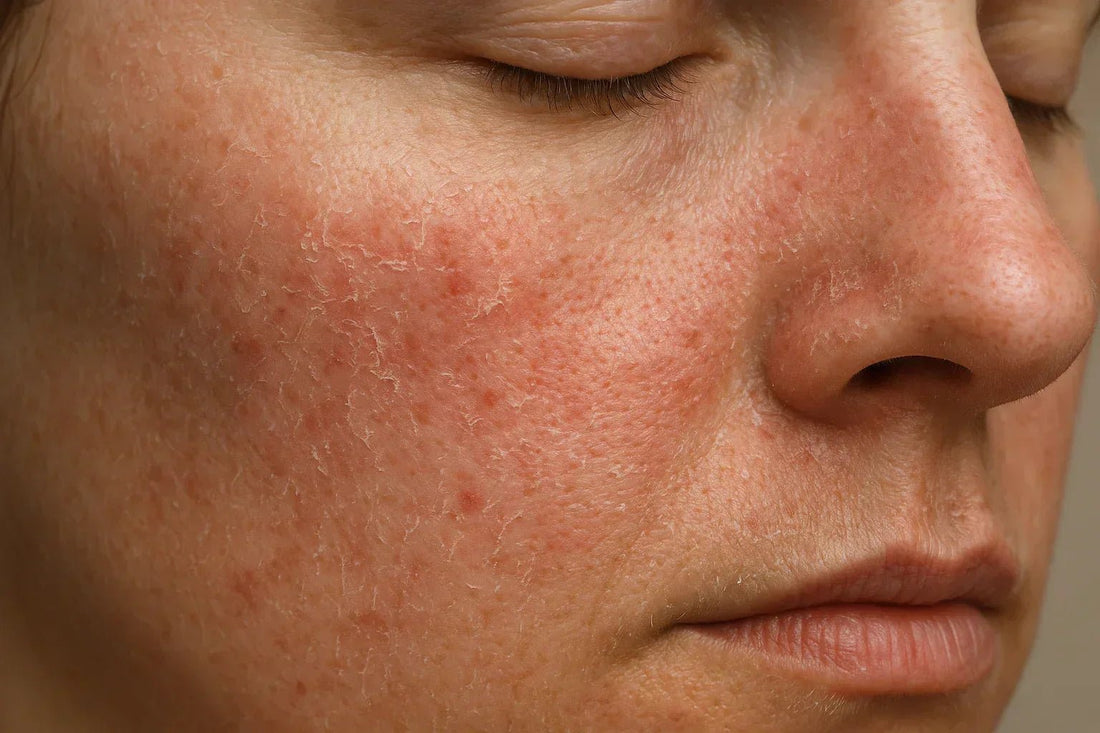
A weakened barrier manifests itself with typical symptoms of sensitive skin. Common signs include:
- Dryness and tight feeling: When skin has a harder time retaining moisture, it feels tight, especially after washing or showering.
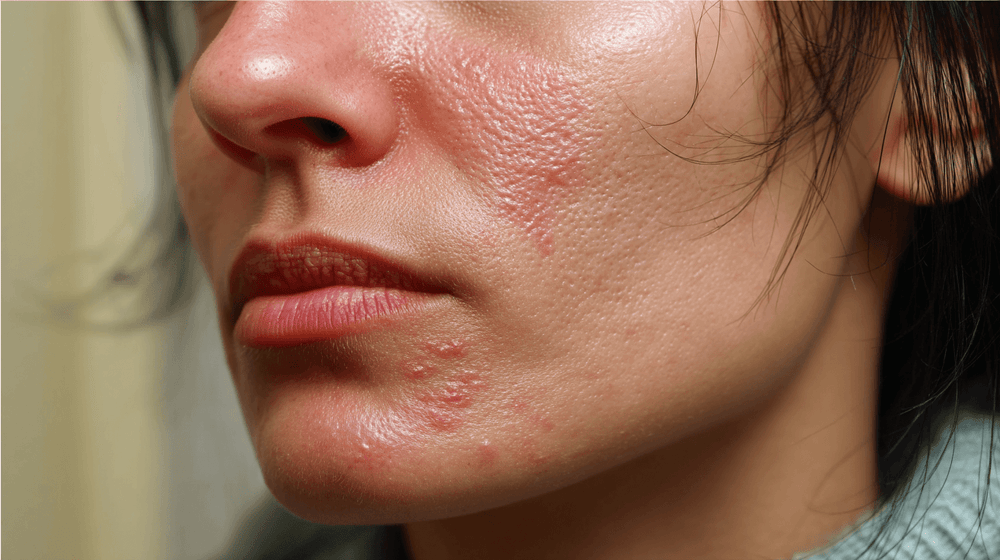
- Redness and irritation: The skin becomes more sensitive to stimuli, which can manifest as visible redness or inflammation.
- Itching and burning: The absence of protective lipids can cause unpleasant itching or burning sensations.
- Peeling and rough texture: Due to reduced moisture, the skin peels off dead cells more quickly, and the surface is visibly rough and uneven.
- Slower regeneration: Weakened skin regenerates more slowly, and injuries and minor cracks take longer to heal.
All of these symptoms indicate that the protective layer is not effective enough. Reduced barrier function is more common in sensitive and atopic skin, so starting care on time is key.
Caring for a weakened skin barrier, step by step
In the case of a weakened barrier, the main intervention is to properly moisturize the skin, support regeneration , and protect against further moisture loss.

-
Moisturizing as a base: First, intensely moisturize the skin with a non-irritating treatment. Use a rich cream and a light lotion:
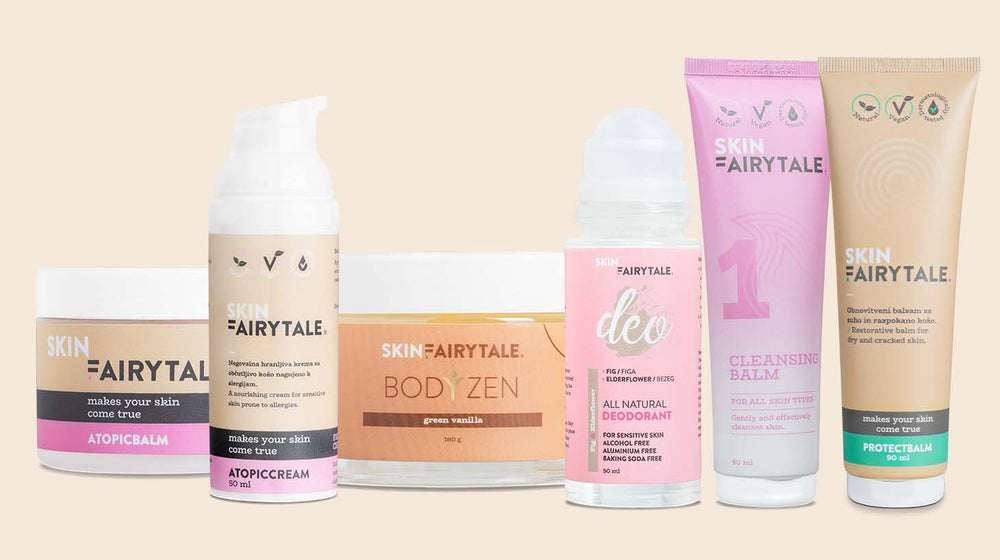
- Atopic Cream - a rich cream for the face and dry areas (hands, elbows). It intensely moisturizes and soothes sensitive skin and strengthens the natural protective layer, preventing further moisture loss.
- Atopic Lotion - a light, quickly absorbed moisturizing body lotion that softens and restores comfort to the skin without a greasy film.
Dermatological studies confirm that moisturizers improve skin renewal and moisture retention, acting as humectants, emollients and occlusives, which increase the water content of the skin and reduce moisture loss. They also fill cracks on the surface and form a protective film. With regular use of Atopic Cream and Atopic Lotion, the skin slowly regenerates and regains elasticity.
-
Regeneration and renewal: The skin needs time to renew, especially at night. In the morning, use the aforementioned moisturizer, and in the evening, add a renewal treatment:
- Renew Cream - a regenerative cream suitable for nighttime skin care. Contains ingredients that promote epidermis renewal during sleep. With regular use, it helps to strengthen the skin's natural resistance and elasticity in the long term.
Additional care with a renovative cream should become part of the routine at least once a day to stimulate the renewal of the lipid layer and epidermis. It is important to give the skin time to rest, as regeneration processes are best carried out at night.
-
Additional protection from external influences: When going into cold, windy or very dry environments, another layer of protection is recommended.
- Protect Balm - a rich protective balm based on natural oils and butters, designed to lock in moisture. It creates an occlusive layer that prevents water evaporation. Protect Balm protects the skin from cold, wind and strong winds, while prolonging the effect of previous moisturizing products.
ProtectBalm is applied over a cream or lotion (preferably on slightly damp skin) to lock in moisture and provide additional protection. As researchers describe, occlusives (such as the oils in the balm) create a hygroscopic layer that greatly reduces transepidermal moisture loss. This prevents further drying, even in extreme weather conditions.
By consistently moisturizing, regenerating and protecting , you will gradually strengthen the barrier of sensitive skin. A regular routine with Atopic Cream, Atopic Lotion and Renew Cream, and additional use of ProtectBalm in challenging conditions, will restore the skin's elasticity, softness and natural resistance.
To care for a weakened barrier, check out the selected SkinFairytale products, which are designed specifically for sensitive, atopic skin. We recommend, for example, Atopic Cream and Atopic Lotion for daily moisturizing, Renew Cream for nighttime renewal, and ProtectBalm for additional protection. You can read more about caring for sensitive skin in our related skin care guides and blogs.