Posted by Katarina Fajfar
on August 27, 2026

A problem almost everyone knows
You step out of the shower, but instead of freshness, your skin feels tight and itchy, or you immediately feel the urge to scratch. Sometimes the problem isn’t that you’re not taking good enough care of your skin—but the small habits you have while showering.
Itching after showering is often linked to dry, irritated skin. Hot water, a long shower, lots of cleanser, fragrances, a rough sponge, and rubbing with a towel can add up to a routine that feels pleasant to the senses but is less kind to the skin’s protective surface.
This doesn’t mean that all itching is simply the result of showering incorrectly. If it is severe, widespread, also recurs without contact with water, or is accompanied by other changes, it requires professional evaluation. First, though, let’s look at what you can learn about your routine today.
The first important distinction: only after showering, or at other times too?
Don’t start by looking for the culprit among the ingredients. Pay attention to the timing.
It itches mainly after showering
If the sensation begins while showering or shortly afterward and then subsides, it makes sense to first check the water temperature, duration, cleanser, drying method, and post-shower care.
It itches even without showering
If the itching is present during the day or at night, affects your whole body, is getting worse, or is accompanied by a rash, swelling, or other symptoms, showering may only reveal the problem and is not necessarily its main cause.
Your 90-second shower review
Before buying a new product, answer “yes” or “no.” We’re not looking for perfection, but for the habit that is easiest to change.
How many “yes” answers do you get?
- The water is so hot that the bathroom quickly fills with steam.
- You usually stay in the shower for longer than ten minutes.
- Every day, you lather your entire body thoroughly, including areas that are not dirty or sweaty.
- You use a heavily fragranced product or several fragranced products in succession.
- You scrub your skin with a rough sponge, brush, or exfoliant.
- After showering, you rub yourself vigorously with a towel until dry.
- You wait to apply a skincare product until your skin is already completely dry and tight.
- In the past month, you changed your shower gel, shampoo, exfoliant, detergent, or fabric softener.
If you answered “yes” several times: this is not a diagnosis. But it is a good reason to try the simplified seven-day routine you’ll find further down in the article.

Seven reasons why your skin itches after showering
The water is too hot
Very hot water is pleasant, especially after a cold day or exercise, but it can increase dryness and stress on the skin barrier. If your skin is red, hot, or noticeably tight after showering, gradually lower the temperature to a comfortably lukewarm level.
Your shower lasts too long
Five minutes under water and twenty minutes under water are not the same experience for your skin. The American Academy of Dermatology recommends a roughly five- to ten-minute shower with lukewarm water for dry skin. If you like to stay longer, first shorten only the last five minutes—the change will be easier to implement.
You use more cleanser than your skin needs
More lather does not necessarily mean better hygiene. With dry or sensitive skin, it is often enough to gently cleanse the areas where sweat, impurities, or odor accumulate, rather than heavily soaping the entire body every day. Specific hygiene, health, or work requirements naturally take priority.
A fragrance or another ingredient does not suit your skin
A scented gel, scrub, shampoo, and lotion can combine to create a true perfumed cloud—and more potential points of contact for sensitive skin. A reaction can also occur to a product you previously used without problems. If you suspect a product, simplify your routine and introduce new products one at a time. A persistent or recurring rash should be evaluated by a dermatologist.
You clean your skin as if scrubbing a pan
A rough sponge, brush, grainy scrub, and strong pressure cause mechanical irritation. The feeling of “squeaky-clean” skin is not a measure of healthy skin. Try using only your hands or a very soft cloth for a week and observe the difference.
The problem continues with the towel
If you rub your skin vigorously after showering, you may add one more irritant. Instead, gently pat it dry. The towel should be clean, thoroughly rinsed, and soft enough; with sensitive skin, residues of scented detergent or fabric softener may also cause problems.
You wait to moisturize until your skin already feels tight
It makes sense to apply a skincare product to gently patted-dry, still slightly damp skin in the first few minutes after showering. The aim is not to “add water” from the outside, but to reduce its rapid evaporation and support the skin’s comfort. Choose a texture you will actually use, not necessarily the richest one.
What about hard water?
Hard water is a frequent suspect. A systematic review of research found an association between hard water, the skin barrier, and atopic eczema, but this does not mean that hard water is the cause of every itch or that a home water softener will reliably solve the problem.
Seven-day test: change your routine, not everything at once
This test is not a treatment or diagnostic test. It helps you determine whether the itching is related to your daily habits. For seven days, do not introduce exfoliants, new fragrances, or several new products at once.
Every day
Limit showers to about 5–10 minutes and use pleasantly lukewarm water.
With a shower
Use a gentle cleansing product mainly where it is needed. Do not scrub the skin.
After showering
Pat the skin dry and apply a simple moisturising product that you already tolerate well within a few minutes.
In the evening
Record the intensity of the itching from 0 to 10 and how long it lasted. Also note any rash or redness.
If it is clearly better on day seven, do not restore all your old habits at once. Reintroduce one change at a time only if you really need it. This will make it easier to determine what matters and what was simply part of an automatic routine.
How often do you actually need to shower?
There is no universal schedule. Frequency depends on physical activity, work, weather, sweating, age, health, and personal needs. A daily shower is not necessarily a problem in itself; for skin that dries out easily, it is more important that the shower be short, lukewarm, and gentle.

After exercise, swimming in a pool, or contact with irritating substances, rinsing again later the same day may be sensible. In that case, keep the additional shower short and use cleanser only where necessary. For babies, older people, people with eczema, or those following prescribed treatment, the instructions of a paediatrician or dermatologist should take priority over general online advice.
When is itching no longer just a matter of routine?
Medical assessment is advisable when:
- the itching is severe, interferes with sleep, or affects everyday life;
- it recurs even when you are not showering;
- it is widespread over the entire body or has no clear skin-related cause;
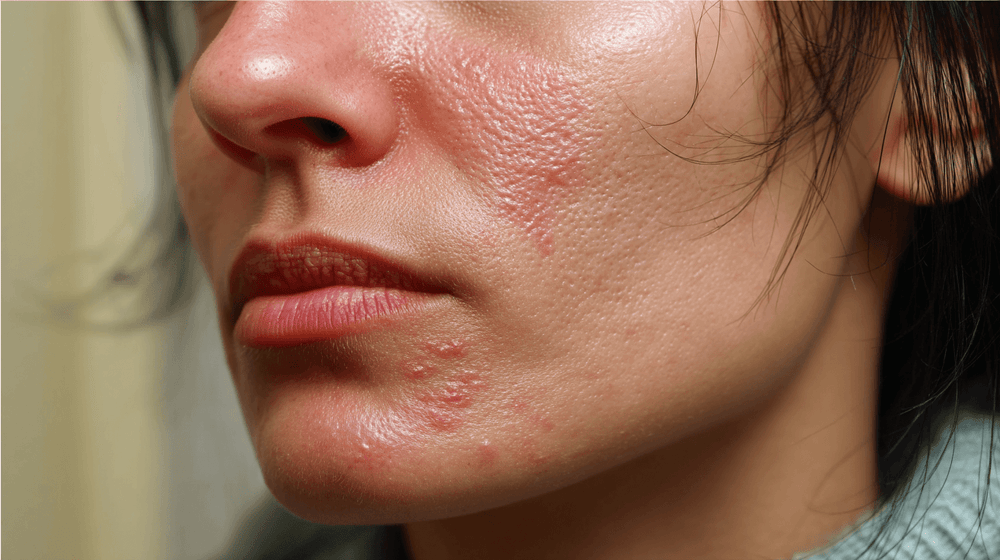
- a new or persistent rash, swelling, lump, or change in the skin appears;
- the skin is weeping, painful, hot, or shows signs of infection;
- the problem does not improve after one to two weeks of a gentler routine;
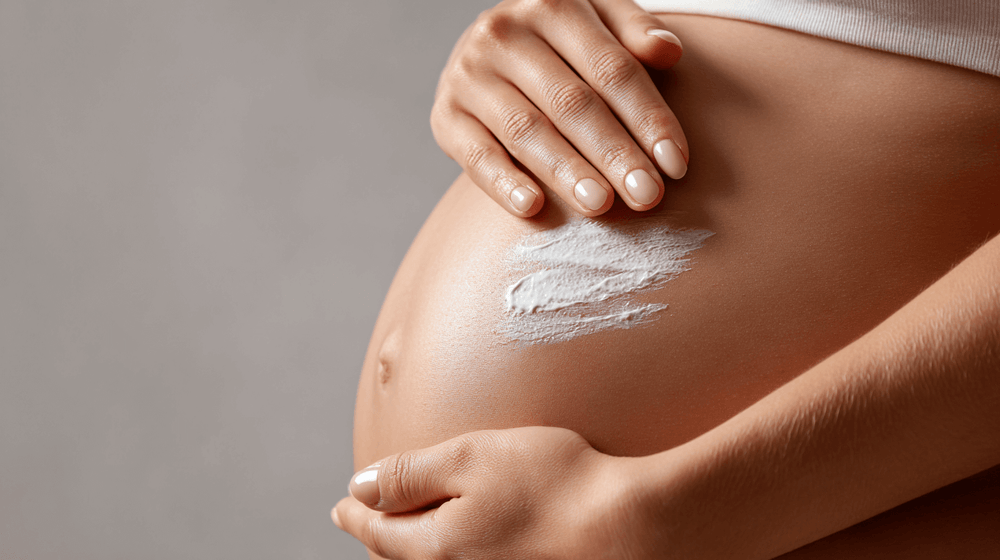
- itching occurs during pregnancy;
- you have started taking a new medication — do not stop the treatment on your own; consult the prescriber.
Frequently asked questions
Is hot water always harmful to the skin?
We are not talking about one single “forbidden” temperature for everyone. However, a very hot and long shower can increase dryness and discomfort in dry or sensitive skin. A good practical goal is pleasantly lukewarm water that does not leave the skin red and hot.
Why does my skin itch if I don't have a rash?
Itching can occur due to dry or irritated skin even without an obvious rash. However, it can also have other causes. If it is severe, persistent, widespread, or occurs independently of showering, do not try to explain it solely by dryness.
Can shower gel start irritating the skin after several months?
Yes. Skin condition, frequency of use, combination with other products, and sensitivity can change. With allergic contact dermatitis, a reaction can also develop after a previous period without problems. A recurring rash should be assessed by a dermatologist.
Is body oil after showering the same as moisturising cream?
Not necessarily. Oils primarily reduce evaporation and soften the skin, while creams and lotions can combine water, humectants and emollient ingredients. The overall formulation and how your skin tolerates it are important. Different textures may feel more pleasant to apply to slightly damp skin.
Do I have to stop showering every day if my skin is itchy?
Not necessarily. First adjust the duration, temperature, amount of cleanser, rubbing and care after showering. Then adjust the frequency according to your activities, hygiene, work and your skin's response. If you have a skin condition, follow a professional's instructions.
How quickly should a change in routine help?
If the main cause is mild irritation from showering, you may notice a difference within just a few days. If there is no improvement after one to two weeks, if the condition worsens or warning signs are present, a professional examination is more appropriate than further guesswork.
The best first step is often the least exciting
When your skin itches, the temptation is strong: a new gel, a new scrub, a new oil, a new cream. But if the problem was caused by the combined effect of water that was too hot, rubbing and fragrances, adding more products only makes it harder to identify the cause.
Start with less: a shorter lukewarm shower, gentle cleansing, patting your skin dry with a towel, and simple care while the skin is still slightly damp. Then observe. Your skin may not tell you everything in a single day, but over a week it often reveals a much clearer pattern.
If you want to better understand why dry and irritated skin loses moisture more quickly, continue with the guide Weakened Skin Barrier: How to Recognize and Care for It.
Sources and further reading
- American Academy of Dermatology. Dermatologists' top tips for relieving dry skin.
- NHS. Itchy skin.
- Weisshaar E et al. European Guideline on Chronic Pruritus. Acta Dermato-Venereologica. 2025.
- Danby SG et al. The effect of water hardness on atopic eczema and skin barrier function: a systematic review and meta-analysis.
- Hadi H et al. Impact of Water Exposure and Temperature Changes on Skin Barrier Function.
Note: The content is for informational purposes only and is not intended to diagnose or replace a medical examination or treatment.