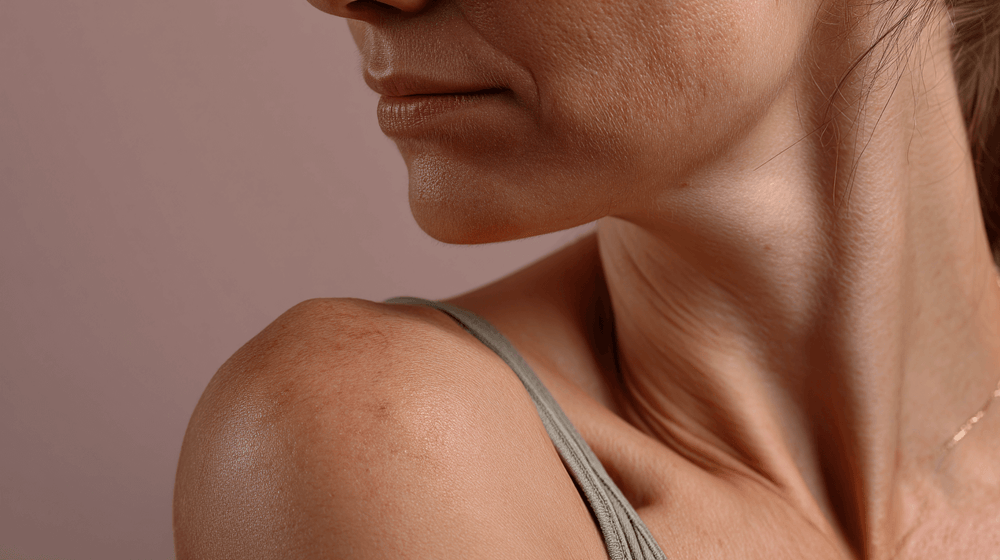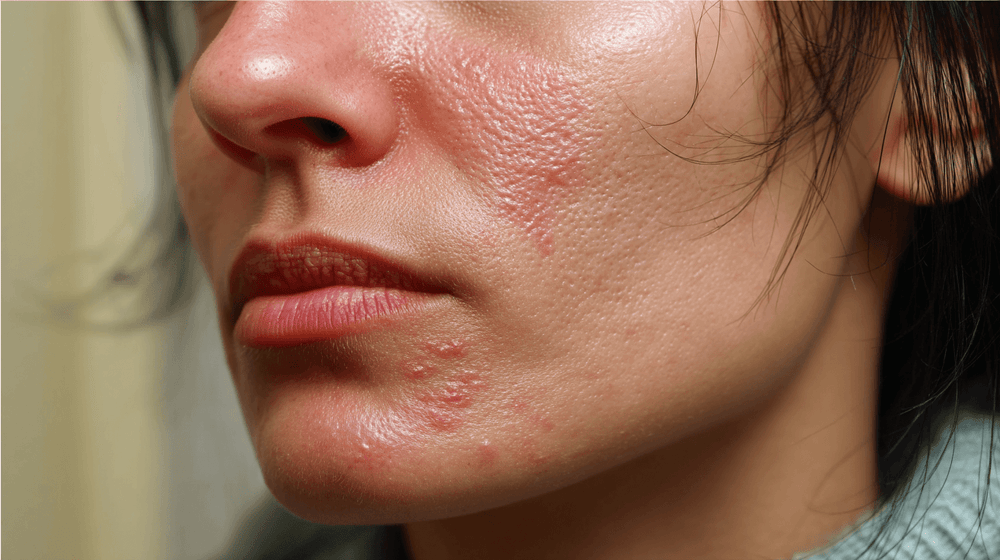

You may know this rhythm well: for a few days your skin is unsettled, then it calms down, only to remind you of itself again when the weather changes, after a shower or in the middle of the night. The problem is not only what we can see. Itching can affect sleep, concentration, clothing choices and perfectly ordinary plans for the day.
The theme of World Atopic Dermatitis Day 2026 is #BreakTheInvisibleBurden — let’s break the invisible burden. The purpose of September 14 is not to talk about skin for just one day. The aim is to better understand what it is like to live with it even when nothing seems unusual on the outside.
What is atopic dermatitis and what happens in the skin?
Atopic dermatitis is a long-term inflammatory disease involving the skin barrier, the immune response, genetic factors and environmental factors. It is not contagious. Nor is it evidence of poor hygiene, and it cannot simply be reduced to one food, one detergent or one mistake in your routine.
Its course is not the same for everyone. The skin may be very dry, itchy and sensitive, while periods of worsening may alternate with calmer periods. Precisely because it can vary, it is more useful to observe your own skin than to chase a universal routine that is supposed to suit everyone.
If you’re looking for a broader explanation of the causes and symptoms, read our basic guide What is atopic dermatitis?. In this article, we focus on practical everyday skin care.
Why is care important even when there is no flare-up?
You can think of the skin barrier as a carefully constructed outer layer that helps retain moisture and separates the skin from the environment. With atopic dermatitis, this protective function may be weakened. Water escapes more quickly, and the skin is more prone to dryness and irritation.

This is why moisturizing care is not intended only for the day when your skin is most unsettled. A routine during a calmer period is not dramatic. It is a repeatable step that helps your skin retain what it needs every day: moisture, softness, and protection from drying out.
How do you build a simple routine for atopic skin?
Sensitive skin usually does not need a long shelf of products. It needs a few carefully chosen steps that can be followed without much effort. Start simply and change one thing at a time—this makes it easier to notice what works for you.
If your doctor has prescribed treatment, do not change it because of an article or cosmetic product. Daily care and prescribed therapy have different roles.
Which texture is suitable for atopic skin?


For easier comparison, view the full selection of SkinFairytale therapeutic cosmetics. The line name describes its purpose within the range; the products on this page are cosmetic products for supportive care of dry and sensitive skin and are not medicines.
When is it time to see a doctor for atopic dermatitis?
If the problems continue to worsen, if itching seriously disrupts your sleep or daily life, if your skin hurts, changes rapidly, or shows signs of infection, it is time to consult a doctor. Also seek professional help if you are unsure whether it really is atopic dermatitis.
A routine doesn’t need to be perfect. It needs enough gentleness for your skin to accept it and enough simplicity for you to repeat it. If a product stings, irritates, or worsens your skin, stop using it. Even the label “dermatologically tested” does not mean that a product cannot cause an individual reaction.